Sciatica (Slipped Disc)
Understanding the Basics
What is Sciatica (Slipped Disc)
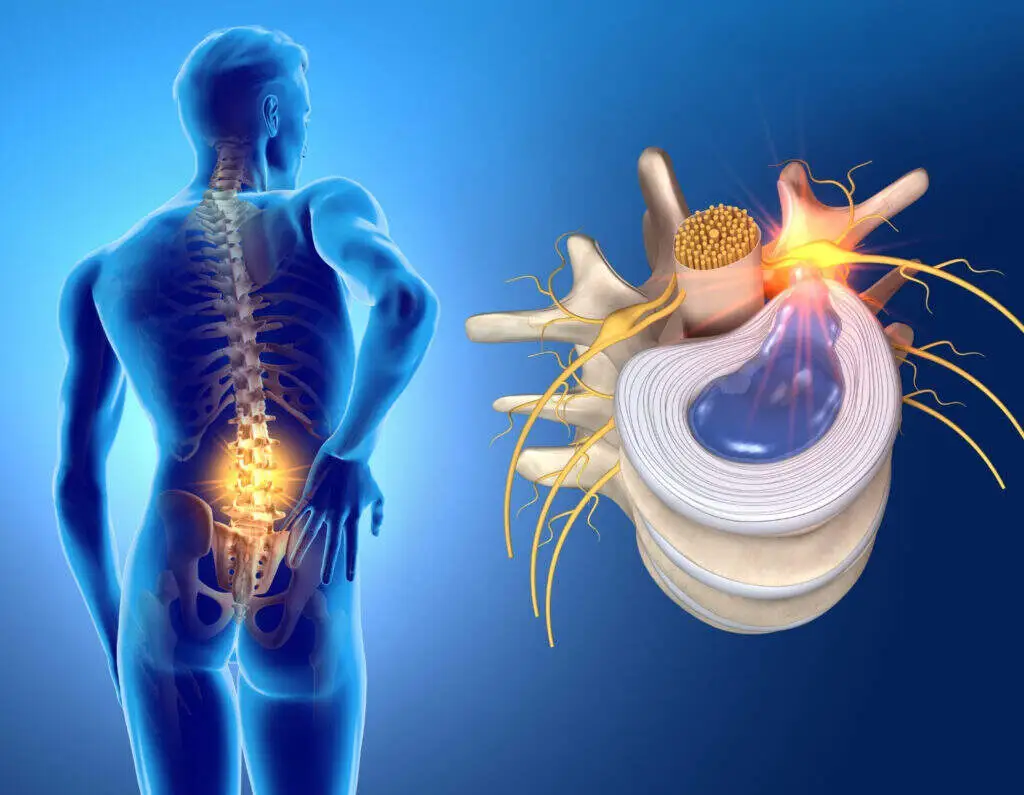
Sciatica is a nerve-related condition characterized by radiating pain that travels from the lower back down into the buttock and leg. It commonly occurs due to a slipped or herniated lumbar disc compressing the sciatic nerve. The pain may range from mild discomfort to severe shooting sensations that interfere with walking and daily activities.
At our clinic, sciatica is managed through a structured and personalized pain care approach. Detailed clinical evaluation and imaging review help identify the level of nerve compression. Advanced interventional procedures and optimized medical therapy are planned to relieve nerve irritation and restore functional mobility.
Specialist-Led Pain Care You Can Trust
Symptoms of Sciatica (Slipped Disc)
Sciatica produces nerve-related symptoms that radiate along the path of the sciatic nerve. The intensity and distribution of pain depend on the severity of nerve compression.
Pain that travels from the lower back down through the buttock and leg along the nerve path.
Pins-and-needles feeling in the leg or foot due to nerve irritation or compression.
Reduced strength in the affected leg making movement and balance more difficult.
Intense pain that may feel sharp, shooting, or burning in nature along the nerve.
Treatment Options for Sciatica
Treatment focuses on reducing nerve inflammation, relieving disc-related compression, and restoring comfortable movement. Management is individualized based on severity, duration of symptoms, and imaging findings.
Medication Optimization
Anti-inflammatory and nerve-stabilizing medications may be prescribed to control pain. Dosages are carefully adjusted according to patient response.
Lumbar Epidural Steroid Injection
Targeted injections deliver anti-inflammatory medication around the affected nerve root. This helps reduce swelling and relieve radiating leg pain.
Selective Nerve Root Block
A precise injection is administered near the compressed nerve to interrupt pain signals. This procedure can provide both diagnostic and therapeutic benefit.
Radiofrequency-Based Procedures
Minimally invasive techniques may be considered in selected chronic cases. These procedures aim to provide longer-lasting pain relief.
Structured Rehabilitation Planning
Supportive therapy and guided exercises help stabilize the spine and reduce recurrence risk. Regular follow-up allows adjustment of treatment as needed.

When to Consult a Pain Specialist
Dr. Jay M. Panchal
If lower back pain radiates into the leg, causes numbness or weakness, or persists despite medications and rest, specialized evaluation is recommended. Symptoms that interfere with walking, sitting, sleep, or daily activities should not be ignored. Early intervention can help prevent worsening nerve compression and long-term complications.
Dr. Jay Panchal provides comprehensive management for sciatica using targeted interventional procedures and optimized medical therapy. His approach focuses on relieving nerve pressure while preserving spinal stability. The goal is to reduce pain intensity, improve leg strength, and restore comfortable mobility.
Have a Question?
Frequently Asked Questions (FAQs)
Many patients respond well to medications, injections, and conservative management. Surgery is considered only when symptoms are severe or do not improve with non-surgical treatment.
When performed under image guidance by an experienced pain specialist, epidural injections are carefully administered and generally safe.
Duration varies depending on the severity of nerve compression and response to treatment. Early management often helps shorten recovery time.
Immediate medical attention is needed if there is sudden severe weakness, loss of bladder or bowel control, or rapidly worsening symptoms.