Peripheral Vascular Disease Pain
What is Peripheral Vascular Disease Pain?
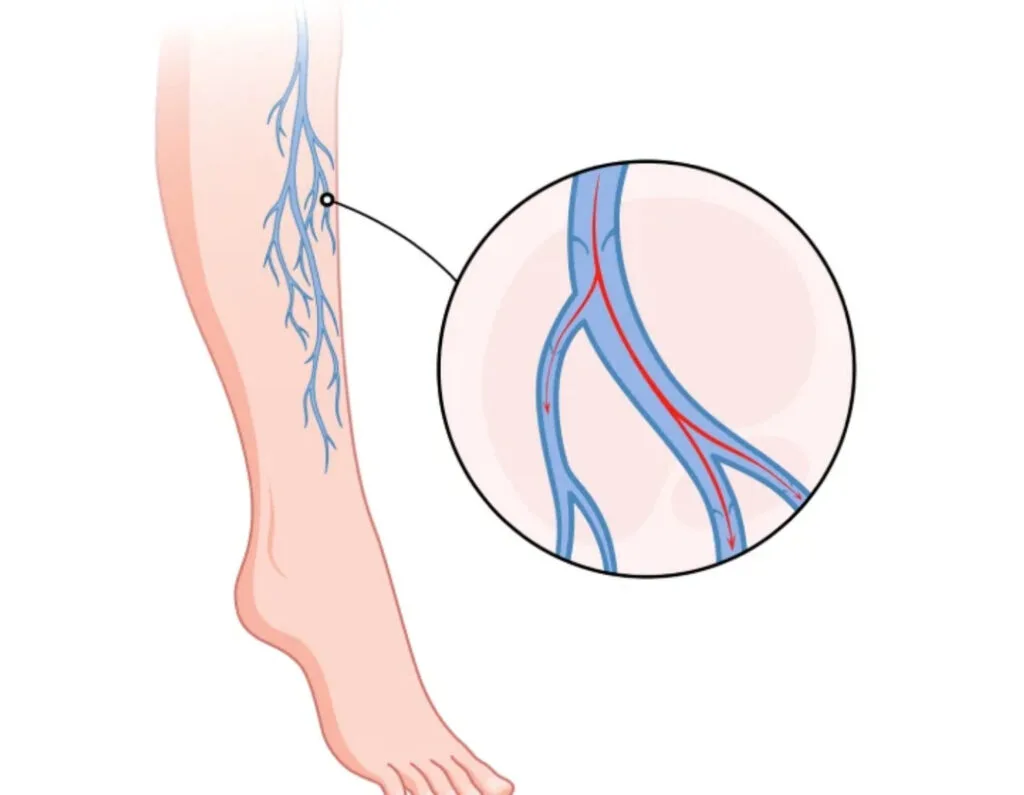
Peripheral Vascular Disease (PVD) pain occurs when narrowed or blocked blood vessels reduce blood flow to the limbs, most commonly the legs. This reduced circulation deprives muscles and tissues of adequate oxygen, especially during walking or physical activity, leading to pain known as claudication. Over time, poor blood supply may cause persistent discomfort, delayed wound healing, and functional limitation if not properly managed.
At our clinic, we conduct a detailed clinical evaluation to differentiate vascular pain from nerve or musculoskeletal causes. Our approach focuses on improving circulation-related pain through targeted pain management strategies while coordinating with vascular care, aiming to reduce discomfort, enhance mobility, and prevent long-term complications.
Specialist-Led Pain Care You Can Trust
Symptoms of Peripheral Vascular Disease Pain
Peripheral vascular pain often develops gradually and becomes more noticeable during physical exertion. Early recognition allows timely management and reduces the risk of progressive vascular compromise.
Cramping or aching pain in the legs triggered by walking or physical activity.
Discomfort reduces or subsides after stopping activity and allowing the muscles to rest.
Affected leg or foot may feel colder compared to the other side due to reduced blood flow.
Reduced sensation or strength in the legs caused by poor circulation to the tissues.
Treatment Options for Peripheral Vascular Disease Pain
Management focuses on controlling pain, improving functional capacity, and supporting vascular health through a coordinated and individualized approach. Treatment plans are designed based on severity of symptoms and degree of circulatory compromise.
Targeted Pain Management Medications
Carefully selected medications help reduce ischemic discomfort and improve tolerance for daily walking and activity.
Image-Guided Nerve Blocks
Precision-based injections may help control severe rest pain when conservative measures are insufficient.
Neuromodulation Therapy
Advanced techniques that modulate chronic pain signaling in patients with persistent vascular-related discomfort.
Structured Walking Rehabilitation Program
Supervised exercise protocols designed to gradually enhance circulation and improve functional endurance.
Multidisciplinary Vascular Coordination
Collaborative management with vascular specialists to address arterial narrowing and prevent disease progression.

When to Consult a Pain Specialist
Dr. Jay M. Panchal
If you experience recurring leg pain while walking, persistent coldness in the feet, or pain at rest that disrupts sleep, it is important to seek evaluation. Delayed management of vascular pain may increase the risk of tissue damage, non-healing wounds, and reduced mobility. Early intervention improves symptom control and supports long-term limb health.
Dr. Jay provides structured pain management for patients experiencing chronic vascular-related discomfort, especially when symptoms persist despite primary treatment. His approach integrates interventional pain techniques with coordinated vascular care to reduce suffering, improve walking capacity, and enhance overall quality of life.
Have a Question?
Frequently Asked Questions (FAQs)
No. Vascular pain results from reduced blood supply, while nerve pain arises from nerve damage. Proper evaluation is essential for accurate diagnosis and treatment.
During activity, muscles require more oxygen. Reduced blood flow causes pain, which improves once the limb rests and oxygen demand decreases.
Yes. Untreated vascular disease can progress to non-healing ulcers or tissue damage, making early medical attention important.
When supervised properly, structured walking programs actually improve circulation and reduce symptoms over time.