
Anatomy of The Spine
Understanding the Basics
What is the Human Spine and Why is it Important?
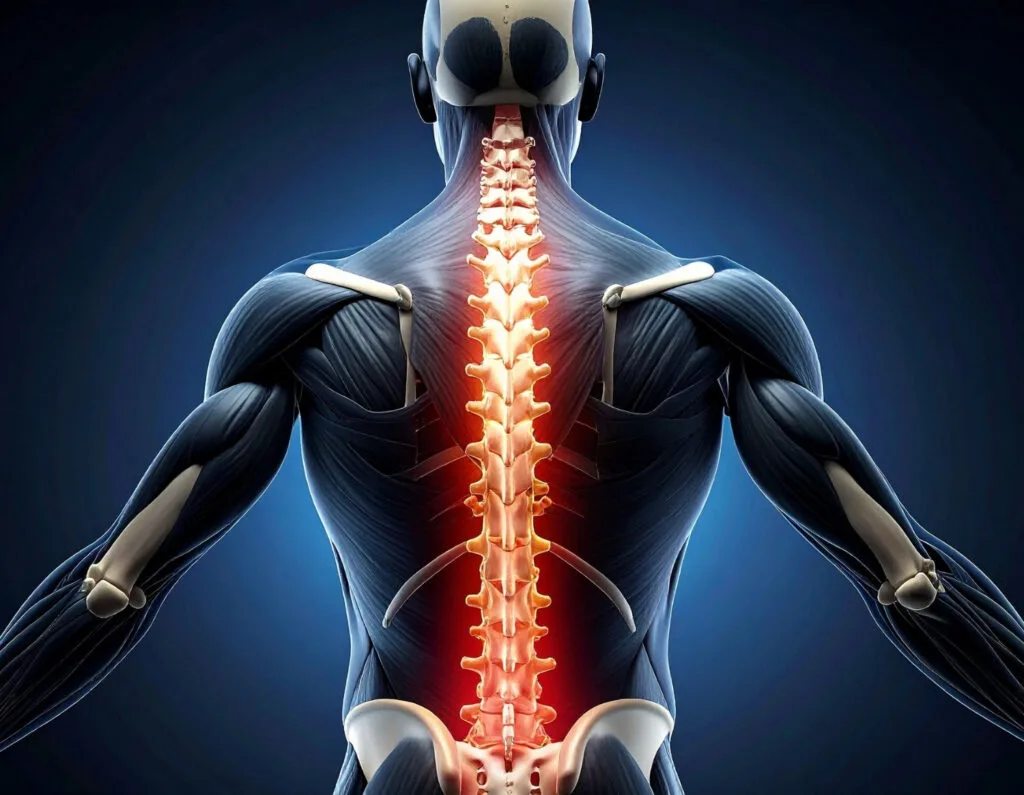
The spine, also called the backbone, is a long column of bones that runs from the base of your skull to your lower back. It helps you stand, bend, twist, and move while also protecting the spinal cord, which carries messages between the brain and the rest of the body.
The spine is made up of small bones called vertebrae, separated by soft discs that act like cushions. These discs absorb shock and allow smooth movement during daily activities like walking, sitting, and lifting.
Specialist-Led Pain Care You Can Trust
Main Parts of the Spine
The spine is divided into different regions. Each section has a specific role in movement, flexibility, and weight support.
The uppermost part of the spine that supports the head and allows a wide range of neck movements.
The middle segment connected to the rib cage, providing stability and protecting vital organs.
The lower portion of the spine that bears most of the body’s weight and allows bending and lifting movements.
The base of the spine that connects to the pelvis, providing structural support and stability.
How Spine Problems Cause Pain
Many common pain conditions start from the spine. When discs wear out, bones shift, or nerves get compressed, it can lead to long-term discomfort. Common conditions related to spine anatomy include:
Slipped Disc
A slipped or herniated disc occurs when the soft cushion between the vertebrae moves out of place or ruptures. This can press on nearby nerves, leading to back pain, leg pain, numbness, or weakness, especially during movement or prolonged sitting.
Sciatica (Nerve Pain in Leg)
Sciatica happens when the sciatic nerve in the lower back gets compressed, usually due to a slipped disc or spine degeneration. It causes sharp, shooting pain that travels from the lower back to the hip, buttock, and down the leg, often accompanied by tingling or burning sensations.
Cervical Pain (Neck Pain)
Problems in the cervical spine, such as disc wear, poor posture, or nerve compression, can lead to persistent neck pain. This may also cause stiffness, headaches, and pain radiating to the shoulders, arms, or upper back.
Lumbar Pain (Lower Back Pain)
The lower back carries most of the body’s weight, making it more prone to strain and degeneration. Lumbar spine issues can cause continuous aching, difficulty bending, and pain that worsens with standing, walking, or lifting.
Degenerative Spine Disease
With age or continuous stress, the spine can undergo natural wear and tear. Discs may lose flexibility and joints may become stiff, leading to chronic pain, reduced mobility, and sometimes nerve pressure that causes long-term discomfort.

Dr. Jay Panchal is a dedicated full-time pain specialist with over a decade of focused experience in managing spine pain, nerve pain, cancer pain, and complex chronic pain conditions. With advanced training in pain management, endoscopic spine procedures, and palliative medicine from India and internationally (UK, Germany, Romania), he follows a structured and scientific approach to identify the exact source of pain and treat it with precision.
Dr. Panchal has a special interest in spine pain, sciatica, neuropathic pain, and cancer pain relief, and believes in moving beyond temporary painkiller-based relief to a more targeted, evidence-based treatment approach that improves long-term comfort and quality of life. At ROPS Hospital, he focuses on detailed assessment, accurate diagnosis, and personalised care for every patient.
Frequently Asked Questions (FAQs)
You should consult a specialist if you have persistent back pain, leg pain, numbness, weakness, or pain that does not improve with rest or regular medication.
The lumbar spine (lower back) carries most of the body’s weight and handles daily movements like bending and lifting. Because of this stress, it is more likely to develop problems such as slipped disc, sciatica, or degenerative spine changes.
The spinal cord runs through the spine and gives rise to nerves that travel to different parts of the body. If these nerves are compressed due to disc problems or spine degeneration, it can cause pain, numbness, tingling, or weakness.
Yes. Understanding spine anatomy helps doctors identify the exact source of pain and plan targeted treatment. This leads to more accurate diagnosis and improved long-term pain relief.