Frozen Shoulder/ Rotator Cuff Tear
Understanding the Basics
What is Frozen Shoulder/ Rotator Cuff Tear
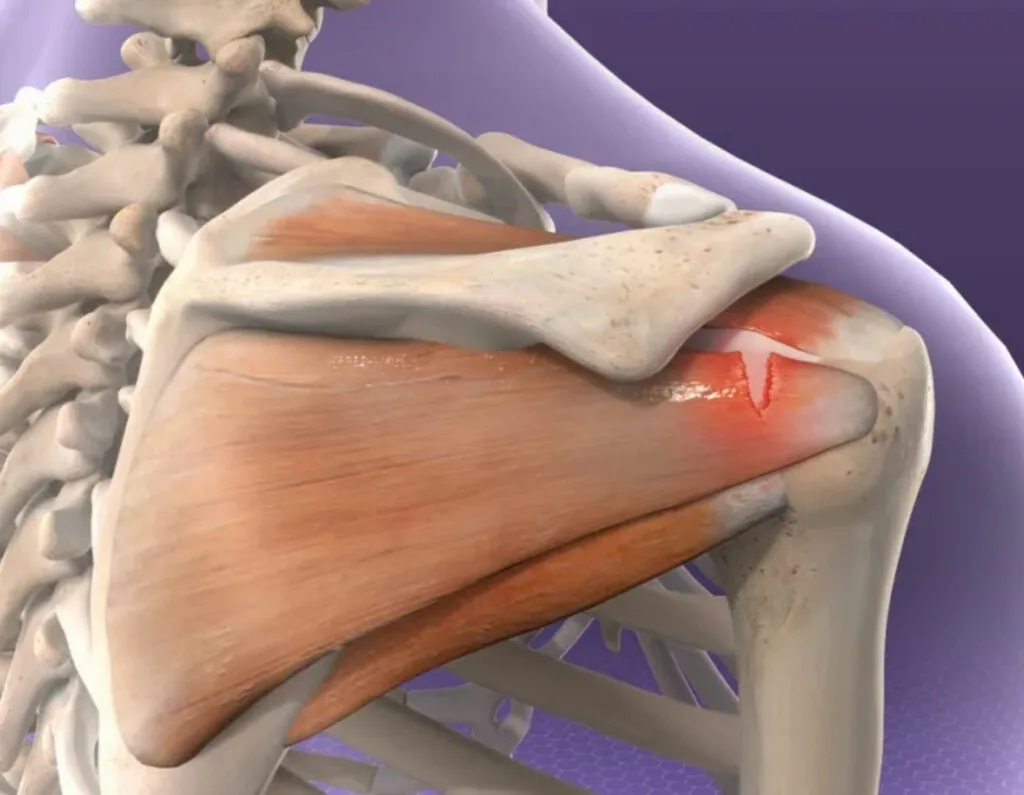
Frozen shoulder (adhesive capsulitis) is a condition where the shoulder joint becomes stiff, painful, and progressively restricted in movement due to inflammation and thickening of the joint capsule. Rotator cuff tear, on the other hand, involves damage or tearing of the tendons that stabilize and move the shoulder joint. Both conditions significantly affect daily activities such as lifting the arm, combing hair, or reaching overhead.
At our clinic, we carefully differentiate between frozen shoulder and rotator cuff injuries through detailed clinical evaluation and imaging guidance. Accurate diagnosis allows us to design targeted, non-surgical pain management strategies that reduce inflammation, restore mobility, and improve long-term shoulder function.
Specialist-Led Pain Care You Can Trust
Symptoms of Frozen Shoulder / Rotator Cuff Tear
Frozen shoulder and rotator cuff injuries often begin with mild discomfort but can gradually limit shoulder movement and strength. Early diagnosis and treatment help prevent long-term stiffness and chronic pain.
Persistent pain in the shoulder that may worsen with movement or at night.
Difficulty in lifting or rotating the arm due to stiffness or structural damage.
Reduced strength affecting the ability to perform daily activities involving the arm.
Discomfort increases while reaching, lifting, or performing overhead movements.
Treatment Options for Frozen Shoulder / Rotator Cuff Tear
Management focuses on relieving pain, reducing inflammation, and restoring shoulder mobility without unnecessary surgery. Treatment plans are customized based on severity, duration, and patient lifestyle needs.
Ultrasound-Guided Shoulder Injections
Precisely delivered steroid or regenerative injections help reduce inflammation inside the joint or around tendons, providing sustained pain relief.
Hydrodilatation Procedure
A specialized injection technique that gently stretches the stiff joint capsule in frozen shoulder, improving mobility and reducing pain.
Platelet-Rich Plasma (PRP) Therapy
Biological therapy that supports tendon healing in partial rotator cuff tears and promotes natural tissue repair.
Suprascapular Nerve Block
Targeted nerve intervention that helps control severe shoulder pain, enabling better participation in rehabilitation exercises.
Structured Rehabilitation Planning
Guided physiotherapy combined with pain control techniques to gradually restore strength, flexibility, and functional movement.

When to Consult a Pain Specialist
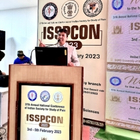
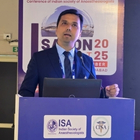
Dr. Jay M. Panchal
If shoulder pain persists for more than a few weeks, worsens at night, or significantly restricts daily activities, it is important to seek expert evaluation. Delayed treatment can lead to progressive stiffness, muscle weakness, and prolonged recovery time. Early interventional pain management helps prevent chronic disability and improves outcomes.
Dr. Jay specializes in advanced, image-guided shoulder pain treatments tailored to each patient’s condition. With a focus on precision, safety, and long-term recovery, he combines interventional procedures with rehabilitation strategies to restore mobility and improve quality of life.
Have a Question?
Frequently Asked Questions (FAQs)
No, frozen shoulder typically progresses through stages and can improve with appropriate treatment. Early intervention helps shorten recovery time and prevents long-term stiffness.
Not all tears require surgery. Many partial tears and inflammatory conditions respond well to injections, regenerative therapy, and structured rehabilitation programs.
Recovery depends on severity and duration of symptoms. With proper treatment, many patients notice improvement within weeks, though full recovery may take a few months.
Most procedures are performed under ultrasound guidance with local anesthesia, making them safe, precise, and well tolerated by patients.