Intrathecal Drug Delivery System
Understanding the Basics
What is an Intrathecal Drug Delivery System?
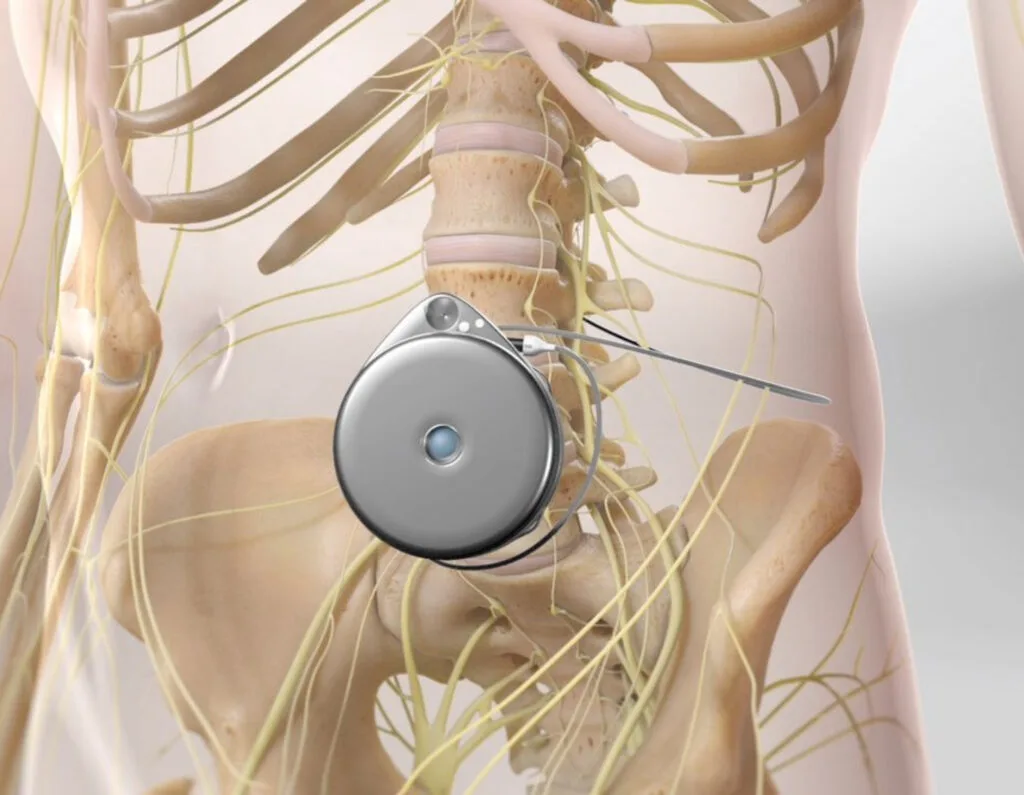
An Intrathecal Drug Delivery System (IDDS), also known as a pain pump, is an advanced therapy used to manage severe chronic pain that does not respond adequately to oral medications or other treatments. It delivers pain-relieving medication directly into the spinal fluid through a small implanted pump.
By delivering medication close to the spinal cord, this system allows lower doses to be used while achieving effective pain control. It is typically considered for patients with long-standing cancer pain or severe non-cancer chronic pain.
Common Conditions Treated
Severe, persistent pain associated with cancer that is not adequately controlled with oral medications.
Ongoing pain after spine surgery due to nerve damage or unresolved spinal pathology.
Chronic nerve-related pain that remains resistant to conventional medications and interventions.
Increased muscle stiffness and spasms caused by conditions affecting the brain or spinal cord.
How Intrathecal Drug Delivery Works
This therapy works by delivering small amounts of medication directly into the intrathecal space around the spinal cord, where pain signals are processed.
Comprehensive Patient Evaluation
A detailed assessment is conducted to determine whether the patient is an appropriate candidate for pain pump therapy.
Trial Dose Assessment
A temporary trial is performed to evaluate how effectively intrathecal medication reduces pain before permanent implantation.
Implantation of Pump and Catheter
A small pump is placed under the skin, usually in the abdominal area, and connected to a catheter positioned near the spinal cord.
Direct Spinal Fluid Medication Delivery
The system releases medication directly into the spinal fluid, targeting pain pathways more precisely.
Lower Systemic Drug Exposure & Programmable Dose Adjustment
Because medication bypasses the digestive system, smaller doses are required compared to oral therapy. Later, medication levels can be adjusted during follow-up visits to maintain optimal and personalized pain control.

Meet the Specialist
Dr. Jay M. Panchal
Dr. Jay Panchal specializes in advanced interventional pain therapies, including intrathecal drug delivery systems for severe and complex chronic pain conditions. Careful patient evaluation and structured treatment planning are essential before recommending this therapy.
With expertise in managing cancer pain and refractory chronic pain syndromes, the focus is on providing safe, precise, and individualized pain control solutions. The goal is to reduce suffering, improve comfort, and enhance quality of life through evidence-based interventional techniques.
Have a Question?
Frequently Asked Questions (FAQs)
It is designed for long-term use but can be removed if medically necessary.
Many patients are able to reduce their oral medications significantly, depending on individual response.
Refill frequency varies but is typically scheduled every few weeks to months.
It is performed under controlled conditions with careful patient selection and monitoring.
Yes, it is commonly used in managing advanced cancer pain when other treatments are insufficient.