Post Herpatic Neuralgia
What is Post Herpetic Neuralgia?
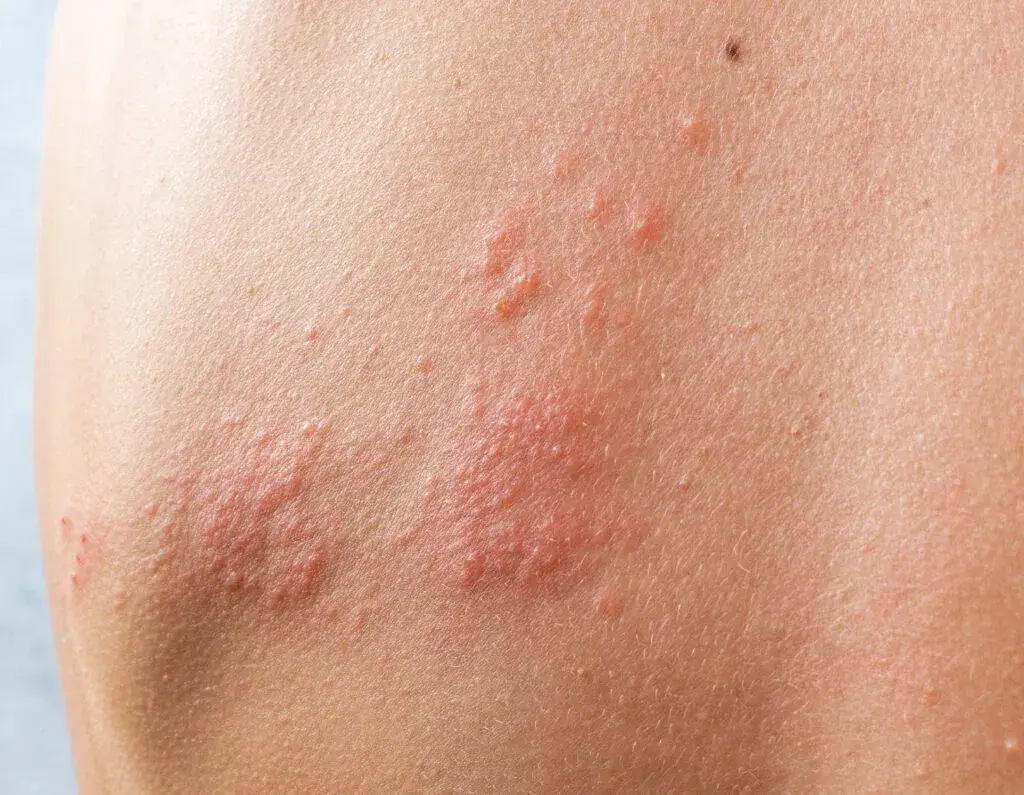
Post Herpetic Neuralgia (PHN) is a chronic nerve pain condition that develops after a shingles (herpes zoster) infection. Even after the skin rash and blisters have healed, the affected nerves may remain damaged or hypersensitive, leading to persistent pain in the same region. This condition occurs due to viral injury to sensory nerves, resulting in abnormal pain signaling that can last for months or even years.
At our clinic, we carefully assess the severity, distribution, and duration of nerve involvement following shingles infection. Our treatment approach focuses on calming irritated nerve pathways, reducing hypersensitivity, and improving daily comfort through precision-guided interventions and structured neuropathic pain management strategies.
Specialist-Led Pain Care You Can Trust
Post herpetic neuralgia typically affects the area where the shingles rash previously appeared. Symptoms can range from moderate discomfort to severe, debilitating pain that significantly impacts sleep and daily functioning.
Brief episodes of intense, electric shock-like pain affecting one side of the face.
Simple actions like talking, chewing, or touching the face can trigger severe pain episodes.
Pain occurs in repeated bursts lasting from seconds to minutes with varying frequency.
Increased sensitivity in affected areas even with light touch or mild stimulation.
Treatment Options for Post Herpetic Neuralgia
Management focuses on stabilizing overactive nerve fibers, reducing abnormal pain transmission, and restoring quality of life. Treatment is individualized based on symptom severity, duration, and response to previous therapies.
Neuropathic Pain Medications
Specialized medications designed to regulate damaged nerve signaling and reduce persistent burning or shooting pain.
Image-Guided Nerve Blocks
Targeted injections that interrupt abnormal pain pathways and provide both diagnostic clarity and therapeutic relief.
Radiofrequency Ablation (RFA)
A minimally invasive procedure that modulates nerve activity to provide longer-lasting symptom control in selected cases.
Topical Pain Modulation Therapies
Medicated patches or creams that help reduce localized nerve hypersensitivity in superficial areas.
Neuromodulation Techniques
Advanced therapies aimed at altering chronic pain processing within the nervous system to achieve sustained relief.

If pain persists for more than a few weeks after a shingles infection has healed, especially if it interferes with sleep or daily activities, early specialist consultation is important. Post herpetic neuralgia responds best when treated promptly, and delayed intervention may lead to prolonged nerve sensitization and chronic discomfort.
Dr. Jay specializes in advanced interventional management of chronic neuropathic pain conditions such as post herpetic neuralgia. His precision-guided techniques and structured pain management approach aim to reduce nerve hypersensitivity, improve functional comfort, and restore long-term quality of life.
The duration varies from months to years depending on nerve damage severity. Early treatment significantly improves the chances of faster symptom control.
Yes. Even mild shingles infections can cause nerve irritation that leads to persistent neuropathic pain.
Topical therapies can help reduce localized hypersensitivity, especially when combined with systemic neuropathic pain management strategies.
While complete reversal may not always be possible, targeted interventional treatments can significantly reduce pain intensity and improve daily functioning.