Cancer Pain
Understanding the Basics
What is Cancer Pain
Cancer pain may be acute or chronic and can vary in intensity depending on tumor location, stage, and ongoing treatment. It may result from tissue damage, nerve compression, inflammation, or post-surgical effects. Pain management is an essential part of comprehensive cancer care, aiming to improve daily functioning and overall well-being.
At our center, cancer pain management focuses on improving comfort, preserving dignity, and supporting patients through every stage of care using advanced interventional pain techniques and personalized treatment planning.
Specialist-Led Pain Care You Can Trust
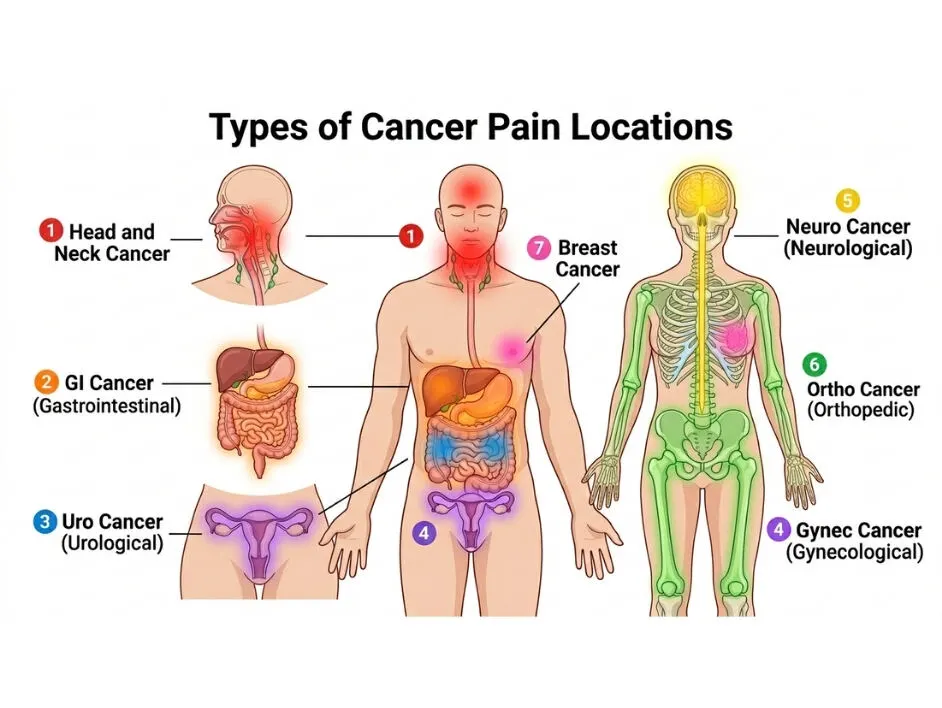
Cancer-related pain may present in different forms depending on the affected tissues:
Persistent nerve-related pain caused by abnormal pain signaling that does not respond to standard medications.
Pain may begin in one area and extend to nearby regions depending on tumor involvement.
Pain can vary in nature, including aching, stabbing, or burning depending on the cause.
Discomfort that interferes with sleep, movement, appetite, and overall quality of life.
Understanding the Basics
Palliative Care in Cancer Pain
Palliative care plays a crucial role in the management of cancer pain by focusing on improving the overall quality of life for patients. It is not limited to end-of-life care and can be provided at any stage of cancer alongside active treatment. The goal is to relieve pain, manage symptoms, and address the emotional and psychological impact of the disease.
Focuses on relieving cancer-related pain using medications, interventions, and supportive therapies.
Aims to enhance comfort, daily functioning, and overall well-being throughout the cancer journey.

Treatment Options for Cancer Pain
Cancer pain management may involve a combination of approaches depending on individual needs.
Medication Optimization
Pain medications are carefully adjusted based on pain intensity, cancer stage, and overall health condition. The goal is to improve comfort while minimizing unwanted side effects.
Selective Nerve Blocks
Targeted nerve block procedures help interrupt pain signals from specific affected areas. These injections can provide focused relief without disturbing motor function.
Neurolytic Procedures
In severe cases, specialized techniques may be used to disrupt persistent pain pathways. This approach is considered when conventional pain control measures are insufficient.
Intrathecal Drug Delivery Systems
Advanced systems can deliver pain medication directly into the spinal fluid in selected patients. This allows effective relief with lower systemic medication exposure.
Neuromodulation Techniques
Spinal cord stimulation or related therapies may be considered for refractory cancer pain. These techniques help modify abnormal pain signal transmission.

When to Consult a Pain Specialist
Dr. Jay M. Panchal
Cancer pain should not be ignored or endured unnecessarily. If pain persists despite regular medications, causes frequent breakthrough episodes, interferes with sleep, or limits daily activities, specialized pain management evaluation is recommended. Early intervention can help improve comfort, mobility, and overall quality of life during cancer treatment.
Dr. Jay Panchal provides comprehensive cancer pain management using advanced interventional techniques alongside optimized medical therapy. His approach focuses on targeted pain relief, minimizing medication side effects, and supporting patients through every stage of cancer care with compassionate and personalized treatment planning.
Have a Question?
Frequently Asked Questions (FAQs)
Yes, cancer pain can often be effectively managed even in advanced stages using a combination of medications and interventional procedures tailored to the patient’s condition.
Not always. Treatment is individualized, and in some cases, interventional procedures may reduce the need for high-dose systemic medications.
Pain management is coordinated with oncology care to ensure that treatment plans work safely alongside chemotherapy, radiation, or surgical treatment.
If pain is persistent, worsening, or affecting daily life despite regular medications, consulting a pain specialist is advisable.