Plantar Fasciitis/ Calcaneal Spur
What Is Plantar Fasciitis / Calcaneal Spur?
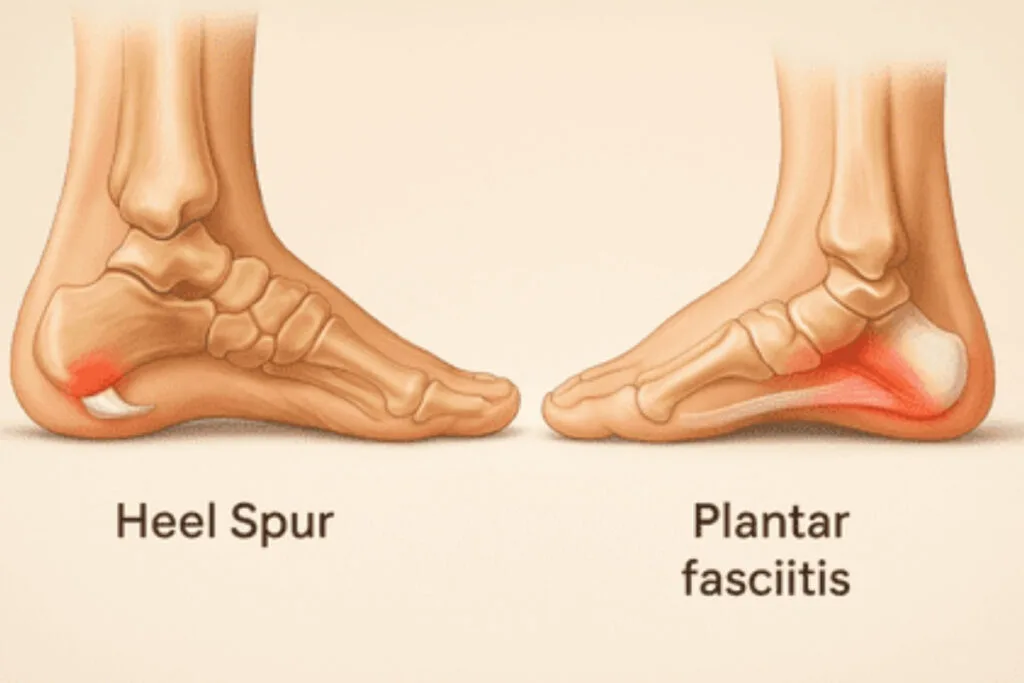
Plantar fasciitis and calcaneal spur are common causes of heel pain that affect daily mobility and comfort. Plantar fasciitis occurs due to inflammation of the plantar fascia, a thick band of tissue supporting the arch of the foot. A calcaneal spur is a bony outgrowth from the heel bone that may develop due to long-standing strain and inflammation.
At our clinic, plantar fasciitis and calcaneal spur are managed using a structured and individualized pain care approach. Detailed clinical examination helps determine the severity of inflammation and mechanical stress on the heel. Advanced interventional treatments and optimized medical therapy are planned to relieve pain and restore comfortable walking.
Specialist-Led Pain Care You Can Trust
Symptoms of Plantar Fasciitis / Calcaneal Spur
Plantar fasciitis and heel spur conditions typically present with localized heel pain that worsens with specific activities. The severity of discomfort may gradually increase if untreated.
Sharp pain in the heel, especially noticeable during the first steps in the morning.
Discomfort increases after long periods of standing or walking on hard surfaces.
Sensitivity to touch at the bottom of the heel due to inflammation of the fascia.
Reduced flexibility in the foot, particularly after rest or inactivity.
Treatment Options for Plantar Fasciitis / Calcaneal Spur
Treatment focuses on reducing inflammation, relieving mechanical stress, and improving foot support. Management is individualized based on severity, lifestyle, and duration of symptoms.
Medication Optimization
Anti-inflammatory medications may be prescribed to control pain episodes. Treatment is adjusted according to response and tolerance.
Targeted Heel Injections
Image-guided injections may deliver anti-inflammatory medication to the affected area. This helps reduce localized inflammation and pain.
Platelet-Rich Plasma (PRP) Therapy
Biologic injections may be considered to support tissue healing in selected patients. This approach is planned based on clinical evaluation.
Shockwave or Advanced Interventional Techniques
Certain minimally invasive therapies may stimulate healing and reduce chronic inflammation. These are considered in refractory cases.
Comprehensive Rehabilitation Planning
Supportive therapy, footwear advice, and structured follow-up help reduce recurrence. Treatment plans are adjusted based on progress.

When to Consult a Pain Specialist
Dr. Jay M. Panchal
If heel pain persists for several weeks despite rest, footwear changes, or medications, specialized evaluation is recommended. Increasing morning pain, difficulty walking, or recurrent flare-ups should not be ignored. Early intervention can help prevent chronic inflammation and long-term mobility issues.
Dr. Jay Panchal provides comprehensive management for plantar fasciitis and calcaneal spur using targeted interventional procedures and optimized medical therapy. His approach focuses on relieving heel inflammation while addressing mechanical stress factors. The goal is to reduce pain, improve walking comfort, and support long-term foot health.
Have a Question?
Frequently Asked Questions (FAQs)
Not all calcaneal spurs cause pain. Symptoms usually develop when the surrounding plantar fascia becomes inflamed.
Mild cases may improve with rest and supportive care, but persistent symptoms often require structured medical treatment.
When performed under proper guidance by an experienced specialist, heel injections are generally safe and effective.
Recovery varies depending on severity and treatment response. Early management often shortens healing time.