PRP Therapy
Understanding the Basics
What is PRP Therapy?
Platelet-Rich Plasma (PRP) Therapy is a regenerative treatment used in pain management to promote natural healing of damaged joints, ligaments, tendons, and spine structures. It uses the patient’s own blood, which is processed to concentrate healing platelets and growth factors, and then injected into the affected area under precise guidance.
PRP therapy is widely used for chronic joint pain, ligament injuries, tendon problems, and early degenerative conditions where natural tissue repair needs stimulation without surgery.
When is PRP Therapy Recommended?
PRP therapy is recommended for patients suffering from chronic musculoskeletal pain that has not responded adequately to medications, physiotherapy, or basic injections. It is especially useful in early-stage degeneration and soft tissue injuries.
Initial stages of joint wear where regenerative therapy may help improve function and reduce pain.
Persistent soft tissue injuries where natural healing is slow or incomplete.
Repetitive strain injuries affecting joints or soft tissues in active individuals.
Chronic pain conditions not responding adequately to medications or physiotherapy.
How PRP Therapy Works
PRP Therapy follows a precise, step-based regenerative process designed to enhance the body’s natural healing response.
Blood Sample Collection
A small quantity of the patient’s blood is drawn in a sterile clinical setting. Since the therapy uses the patient’s own blood, it remains a natural and safe treatment option with minimal risk of reaction.
Platelet Concentration Process
The collected blood is placed in a centrifuge machine that separates and concentrates the platelets. These platelets contain powerful growth factors that play a key role in healing damaged tissues.
Precise Image-Guided Injection
The prepared platelet-rich plasma is injected into the affected joint, ligament, or tendon using imaging guidance for accurate placement. This ensures the healing factors reach the exact area causing pain.
Activation of Natural Healing
Once injected, the growth factors begin repairing damaged tissues, reducing inflammation, and improving tissue strength over time. This helps the body recover naturally instead of just masking pain.
Gradual Pain Relief & Functional Recovery
As the healing process progresses, patients typically notice reduced pain, better mobility, and improved joint function over the following weeks. Results develop gradually and support long-term recovery.

Meet Your PRP & Regenerative Pain Specialist
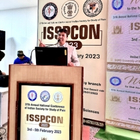
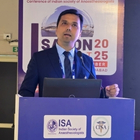
Dr. Jay M. Panchal
Dr. Jay Panchal is experienced in regenerative pain treatments including Platelet-Rich Plasma (PRP) therapy for joint and spine conditions. He carefully evaluates whether a patient is suitable for PRP based on the stage of degeneration, tissue damage, and overall health condition. His goal is to stimulate natural healing while reducing pain and improving joint stability.
At ROPS Hospital, PRP therapy is performed under strict sterile protocols and imaging guidance to ensure accurate placement and optimal effectiveness. The focus is on long-term functional improvement rather than temporary symptom control, helping patients regain mobility safely and naturally.
Have a Question?
Frequently Asked Questions (FAQs)
Yes. Since it uses the patient’s own blood, it is considered a safe regenerative treatment when performed by an experienced specialist.
Depending on the condition, 1–3 sessions may be advised for optimal results.
In early or moderate conditions, PRP may help delay or avoid surgery, but suitability depends on individual evaluation.
No. It is an outpatient procedure, and patients can go home the same day.