
Selective Nerve Blocks for Cancer Pain Relief
Understanding the Basics
What are Selective Nerve Blocks for Cancer Pain?
Selective nerve blocks are advanced interventional procedures used to relieve severe cancer-related pain by targeting specific nerves responsible for transmitting pain signals. These procedures are carefully performed to control pain effectively without disturbing other sensory or motor functions.
By focusing only on the pain-conducting pathways, selective nerve blocks help reduce discomfort while preserving muscle strength and normal sensation. They are commonly recommended when medications alone are insufficient or cause significant side effects.
Common Conditions Treated
Selective nerve blocks are recommended for patients experiencing moderate to severe cancer pain that affects comfort, mobility, appetite, and quality of life.
Severe pain caused by tumor involvement affecting nerves, organs, or surrounding tissues.
Pain associated with cancers affecting pelvic organs, often difficult to manage with medications alone.
Deep visceral pain arising from abdominal malignancies requiring targeted nerve interruption.
Localized or radiating pain due to tumor involvement in sensitive nerve-rich regions.
How Selective Nerve Blocks Work
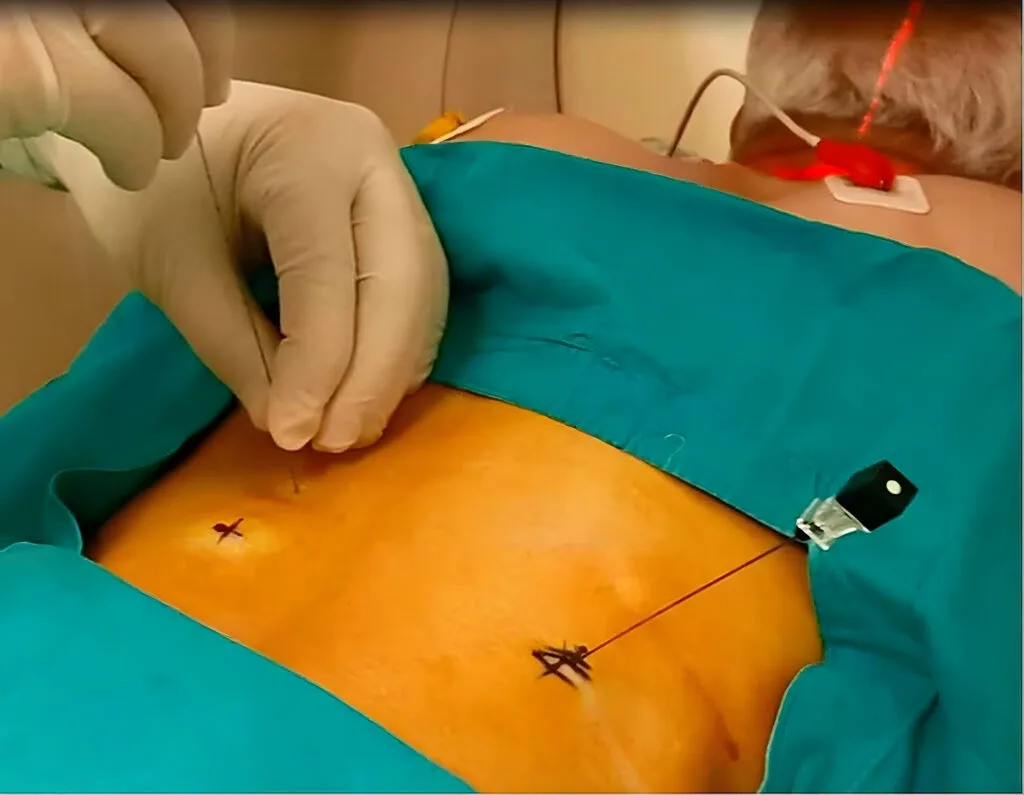
Selective nerve blocks interrupt pain transmission by delivering medication or specialized agents near targeted nerve structures under image guidance.
Comprehensive Pain Source Identification
Detailed clinical evaluation helps identify the exact nerve or plexus responsible for transmitting cancer-related pain.
Image-Guided Needle Placement
A fine needle is precisely positioned near the targeted nerve using imaging techniques for accurate delivery.
Selective Pain Pathway Targeting
Only the nerves responsible for pain transmission are addressed, minimizing impact on surrounding tissues.
Administration of Pain-Relieving Agents
Local anesthetics or neurolytic medications are injected to reduce or block pain signal transmission.
Preservation of Motor and Sensory Function and Improvement in Comfort and Functional Ability
The technique is carefully performed to maintain muscle strength and normal sensation in unaffected areas. Later, by reducing severe pain, patients may experience better sleep, mobility, and overall daily functioning.

Meet the Specialist
Dr. Jay M. Panchal
Dr. Jay Panchal specializes in advanced interventional cancer pain management, including selective nerve blocks designed to provide targeted pain relief while preserving normal motor and sensory function. Careful evaluation is essential to identify the exact nerve pathways responsible for pain.
With expertise in precision-guided procedures, the focus is on improving comfort, reducing medication burden, and enhancing quality of life for patients undergoing cancer treatment. Each treatment plan is tailored to the individual’s condition and pain pattern.
Have a Question?
Frequently Asked Questions (FAQs)
Selective nerve blocks are designed to relieve pain without disturbing motor strength or essential sensory functions.
Some blocks provide temporary relief, while certain neurolytic blocks may offer longer-lasting pain control.
Many patients may reduce reliance on high-dose opioids after successful nerve blocks.
It is performed under controlled conditions to minimize discomfort.