Degenerative Spine Disc Disease
Understanding the Basics
What is Degenerative Spine Disc Disease?
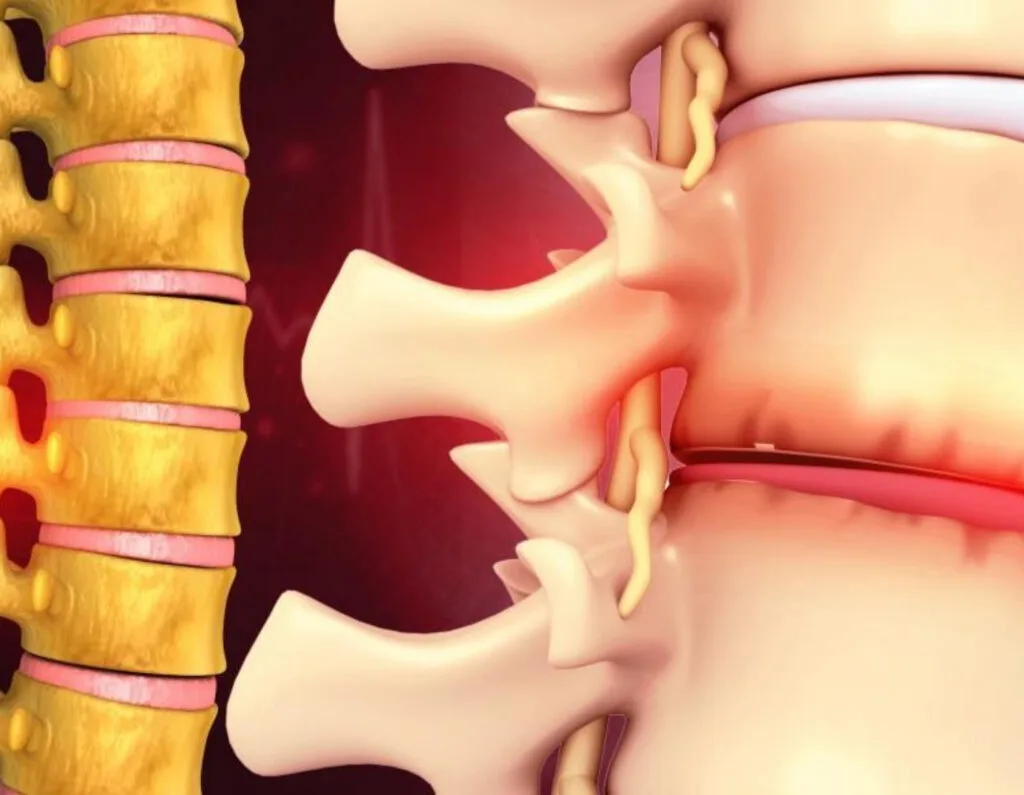
Degenerative disc disease is a spine-related condition that occurs when the intervertebral discs gradually lose hydration and elasticity over time. This natural wear-and-tear process can lead to chronic neck or lower back pain, stiffness, and reduced flexibility. Symptoms may develop slowly and worsen with prolonged activity or aging.
At our clinic, degenerative disc disease is managed using a structured and individualized pain care approach. Detailed clinical assessment and imaging evaluation help determine the affected spinal level and severity of degeneration. Advanced interventional procedures and optimized medical therapy are planned to reduce pain, improve mobility, and enhance spinal stability.
Specialist-Led Pain Care You Can Trust
Symptoms of Degenerative Disc Disease
Degenerative disc disease may cause localized spine pain along with nerve-related symptoms in some cases. The severity and pattern of discomfort depend on the level and extent of disc degeneration.
Persistent pain in the spine that may worsen over time due to disc degeneration.
Discomfort that increases with bending, lifting, or prolonged sitting and standing.
Pain that spreads to the arms or legs when nearby nerves are affected.
Limited spinal movement making daily activities difficult and uncomfortable.
Treatment Options for Degenerative Disc Disease
Treatment focuses on reducing inflammation, stabilizing the spine, and improving functional movement. Management is individualized based on symptom severity, imaging findings, and overall health status.
Medication Optimization
Anti-inflammatory and supportive medications may be prescribed to manage pain episodes. Treatment is adjusted according to symptom response.
Epidural Steroid Injection
Targeted injections may help reduce inflammation around irritated nerve roots. This can improve radiating symptoms associated with disc degeneration.
Facet Joint Interventions
Procedures targeting affected facet joints may relieve mechanical back pain. These minimally invasive techniques are performed under image guidance.
Radiofrequency Ablation
Selected patients may benefit from procedures that reduce persistent pain signals from affected spinal structures. This approach aims to provide longer-lasting relief.
Structured Rehabilitation Planning
Structured follow-up and supportive therapy help maintain spinal stability and reduce recurrence. Individualized care supports long-term functional improvement.

When to Consult a Pain Specialist
Dr. Jay M. Panchal
If chronic neck or back pain persists despite rest, medications, or lifestyle modifications, specialized evaluation is recommended. Symptoms such as radiating pain, stiffness affecting daily activities, or recurrent flare-ups should not be ignored. Early intervention can help prevent progression and long-term functional limitation.
Dr. Jay Panchal provides comprehensive management for degenerative disc disease using targeted interventional procedures and optimized medical therapy. His approach focuses on relieving inflammation, stabilizing affected spinal segments, and improving mobility. The goal is to reduce pain intensity and support long-term spinal health.
Have a Question?
Frequently Asked Questions (FAQs)
Disc degeneration commonly occurs with age, but not everyone develops symptoms. Pain develops when degeneration leads to inflammation or nerve irritation.
The structural disc changes cannot be reversed, but symptoms can often be effectively managed with medications and interventional procedures.
Most patients respond well to conservative and minimally invasive treatments. Surgery is considered only when symptoms are severe or progressive.
Recovery varies depending on severity and response to treatment. Early management often improves outcomes and reduces flare-ups.