Radiofrequency Ablation
Understanding the Basics
What is Radiofrequency Ablation?
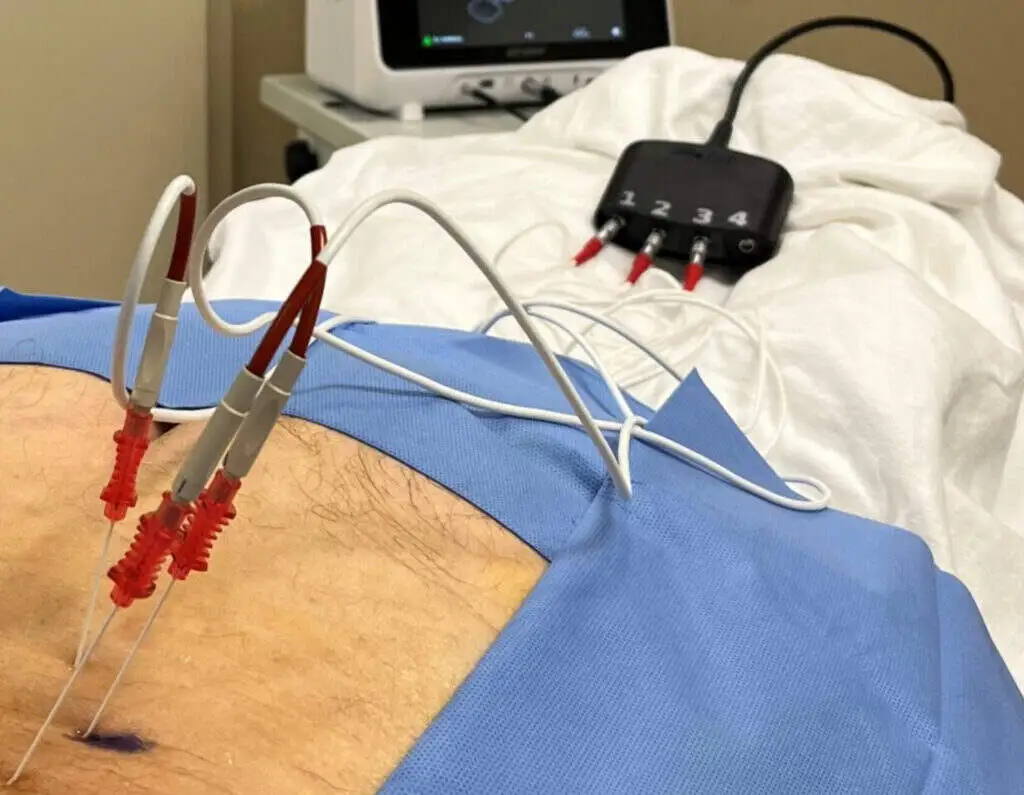
Radiofrequency Ablation (RFA) is a minimally invasive pain treatment used to reduce chronic pain by targeting the nerves responsible for sending pain signals to the brain. It uses controlled heat generated by radio waves to interrupt these signals, providing long-lasting relief.
This treatment is commonly used for spine pain, joint pain, neck pain, and nerve-related pain that does not improve with medicines or physiotherapy. It is a safe, precise, and effective option for patients looking for non-surgical pain relief.
When is Radiofrequency Ablation Recommended?
RFA is usually suggested for patients who have persistent pain for months and have not found relief from medications, rest, or basic treatments. It is especially helpful when the pain source is identified as a specific nerve.
Persistent back or neck pain arising from inflamed facet joints not responding to conservative treatment.
Pain originating from the sacroiliac joint causing lower back and buttock discomfort.
Long-standing spinal pain due to degenerative changes or nerve irritation affecting daily function.
Patients who experience temporary relief from nerve blocks indicating suitability for longer-lasting relief.
How Radiofrequency Ablation Works
Radiofrequency Ablation is performed using advanced imaging guidance to ensure accuracy and safety.
Precise Nerve Identification
Before performing RFA, the exact source of pain is carefully identified through clinical examination and diagnostic nerve blocks. This step ensures that the treatment targets only the nerves responsible for transmitting pain signals, improving accuracy and long-term effectiveness.
Guided Needle Placement
Using real-time imaging guidance such as fluoroscopy (X-ray guidance), a specialized thin needle is precisely positioned near the targeted nerve. This ensures optimal accuracy while minimizing risk to surrounding tissues, muscles, and blood vessels.
Controlled Radiofrequency Energy Application
Once the needle is correctly placed, controlled radiofrequency energy is delivered to generate heat at the nerve tip. This heat creates a small, focused lesion on the nerve, disrupting its ability to transmit pain signals to the brain without affecting movement or strength.
Blocking Pain Signal Transmission
By interrupting the nerve’s communication pathway, the sensation of chronic pain is significantly reduced or eliminated. Since only sensory pain fibers are targeted, normal muscle function and mobility remain unaffected.
Gradual and Sustained Relief
Pain relief may begin within a few days to weeks after the procedure and can last for several months or longer. As the treated nerve slowly regenerates over time, the procedure can be safely repeated if necessary.

Meet the Specialist
Dr. Jay M. Panchal
Dr. Jay Panchal is a highly experienced interventional pain specialist with advanced expertise in Radiofrequency Ablation (RFA) for chronic spine and joint pain. He specializes in identifying the exact nerve responsible for pain and treating it using precise, image-guided techniques. His structured diagnostic approach ensures that RFA is recommended only when truly beneficial, providing patients with safe, long-lasting relief from conditions like chronic back pain, neck pain, knee pain, and facet joint arthritis.
At ROPS Hospital, Dr. Jay Panchal performs Radiofrequency Ablation using advanced imaging technology to maximize accuracy and safety. His goal is to reduce dependency on pain medications, improve mobility, and restore quality of life through minimally invasive solutions. Patients receive individualized treatment plans focused on sustainable, long-term pain control rather than temporary symptom management.
Have a Question?
Frequently Asked Questions (FAQs)
Yes, it is a commonly performed and safe procedure when done by an experienced pain specialist using imaging guidance.
Relief may last from several months to more than a year, depending on the condition and patient response.
The procedure is done under local anesthesia, so discomfort is minimal and manageable.
Over time, nerves may regenerate, and pain can return. The procedure can be repeated if needed.