Complex Regional Pain Syndrome (CRPS)
What is Complex Regional Pain Syndrome?
Complex Regional Pain Syndrome (CRPS) is a chronic pain condition that usually develops after an injury, surgery, fracture, or nerve trauma. The pain experienced is often disproportionate to the original injury and may persist long after tissues have healed. CRPS typically affects one limb-arm, hand, leg, or foot, and involves abnormal nerve signaling that leads to persistent inflammation, altered circulation, and heightened pain sensitivity.
At our clinic, we focus on early recognition and precise diagnosis of CRPS through careful clinical evaluation and functional assessment. Our treatment strategy aims to control abnormal pain signaling, improve limb function, and prevent long-term disability using a combination of interventional pain procedures and structured rehabilitation.
Symptoms of Complex Regional Pain Syndrome
CRPS symptoms can vary in severity and may progress if not treated early. Prompt intervention is essential to prevent long-term stiffness, muscle wasting, and functional loss.
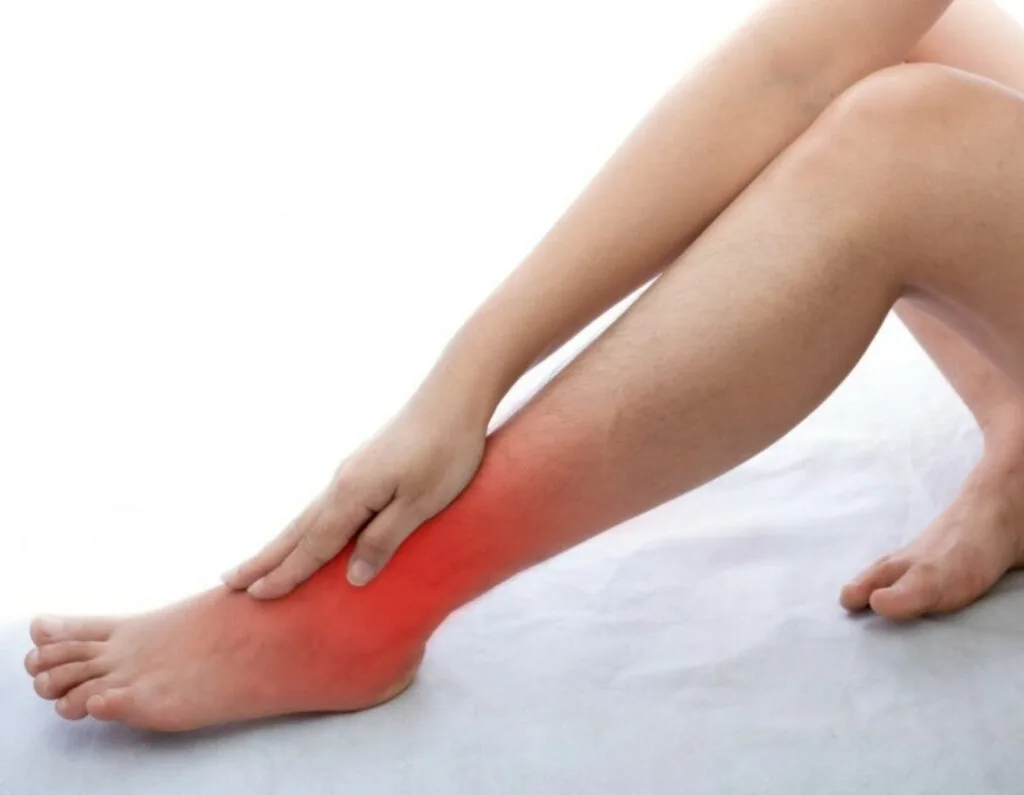
Persistent severe pain often described as burning or throbbing in the affected limb.
Even light touch or minor movement may trigger intense pain or discomfort.
Visible swelling with changes in skin color, temperature, or texture in the affected area.
Stiffness and difficulty in moving the affected limb due to pain and tissue changes.
Treatment Options for Complex Regional Pain Syndrome
Treatment focuses on interrupting abnormal pain pathways, reducing inflammation, and restoring functional mobility. Early, multidisciplinary management significantly improves outcomes and prevents chronic progression.
Sympathetic Nerve Blocks
Image-guided injections that target overactive sympathetic nerves to reduce pain and improve circulation in the affected limb.
Neuromodulation Therapy
Techniques that modulate abnormal nerve signaling to reduce persistent pain and improve limb function.
Medication Management
Carefully personalized medications to control nerve-related pain, inflammation, and hypersensitivity.
Physical Rehabilitation Program
Gentle, guided exercises aimed at restoring movement, preventing stiffness, and improving limb strength.
Desensitization Therapy
Structured techniques designed to gradually reduce hypersensitivity and improve tolerance to touch and movement.

When to Consult a Pain Specialist
Dr. Jay M. Panchal
If pain after an injury or surgery becomes progressively severe, is accompanied by swelling or skin changes, or limits movement despite healing of the original injury, immediate evaluation is important. CRPS responds best to early intervention, and delayed treatment can result in chronic pain and functional impairment.
Dr. Jay specializes in advanced interventional pain procedures for complex nerve-related conditions such as CRPS. His approach combines image-guided nerve blocks, neuromodulation strategies, and comprehensive rehabilitation to reduce pain intensity, restore mobility, and prevent long-term disability.
Have a Question?
Frequently Asked Questions (FAQs)
CRPS can become chronic if untreated, but early and aggressive management significantly improves the chances of symptom control and functional recovery.
In some cases, symptoms may extend beyond the original site, which is why timely medical intervention is crucial.
When performed under image guidance by trained specialists, sympathetic nerve blocks are considered safe and effective for pain reduction.
Recovery varies depending on severity and duration of symptoms. Early treatment often leads to faster and more favorable outcomes.