Facet Joint / Sacroiliac Joint Arthritis
What Is Facet Joint and Sacroiliac Joint Arthritis?
Facet joint arthritis and sacroiliac (SI) joint arthritis are degenerative conditions affecting the small stabilizing joints of the spine and pelvis. These joints help support movement and distribute body weight, but inflammation or degeneration can lead to chronic lower back or pelvic pain. Symptoms may worsen with prolonged standing, bending, or positional changes.
At our clinic, facet and sacroiliac joint arthritis are managed through a structured and individualized pain care approach. Detailed clinical evaluation and diagnostic procedures help identify the specific joint responsible for symptoms. Advanced interventional treatments and optimized medical therapy are planned to reduce inflammation and improve functional mobility.
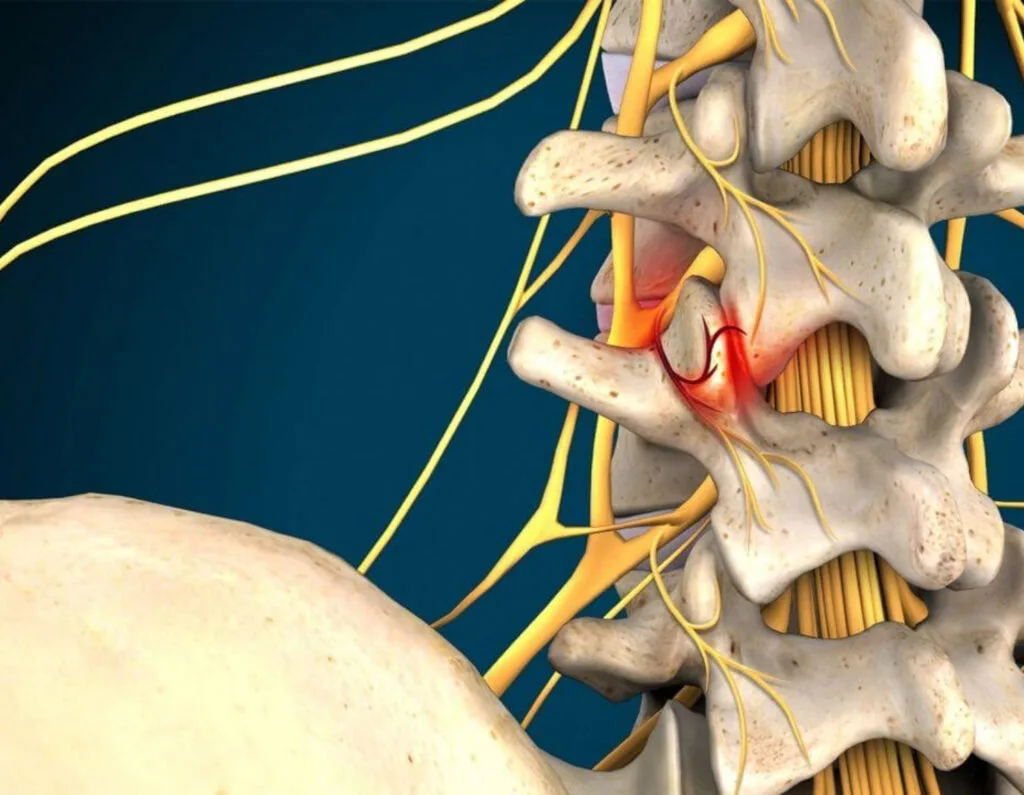
Symptoms of Facet Joint / Sacroiliac Joint Arthritis
Facet and SI joint arthritis typically cause mechanical back pain that may radiate to nearby areas. The intensity and pattern of discomfort depend on the joint involved and the degree of inflammation.
Persistent pain in the lower back or buttock region that worsens with movement or prolonged standing.
Discomfort increases during spinal movements such as bending, twisting, or changing posture.
Reduced flexibility and stiffness, especially after sitting, sleeping, or periods of inactivity.
Pain may spread to the hips, groin, or upper thighs without significant nerve compression.
Treatment Options for Facet Joint / Sacroiliac Joint Arthritis
Treatment focuses on reducing joint inflammation, interrupting pain signals, and restoring comfortable movement. Management is individualized based on diagnostic findings and symptom severity.
Medication Optimization
Anti-inflammatory and supportive medications may be prescribed to manage pain flare-ups. Treatment is adjusted according to clinical response.
Facet Joint or SI Joint Injections
Targeted injections deliver medication directly into the affected joint. This helps reduce inflammation and confirm the pain source.
Medial Branch or Lateral Branch Blocks
Precision-guided nerve blocks temporarily interrupt pain signals from the inflamed joints. These procedures may provide both diagnostic and therapeutic benefit.
Radiofrequency Ablation
Minimally invasive techniques may be used to reduce persistent joint-related pain signals. This approach aims to provide longer-lasting relief.
Comprehensive Rehabilitation Planning
Structured follow-up and supportive therapy help maintain joint stability and prevent recurrence. Treatment adjustments are made based on progress.

When to Consult a Pain Specialist
Dr. Jay M. Panchal
If lower back or pelvic pain persists despite medications, physical therapy, or lifestyle modifications, specialized evaluation is recommended. Pain that worsens with standing, bending, or positional changes should not be ignored. Early intervention can help prevent chronic inflammation and functional limitation.
Dr. Jay Panchal provides comprehensive management for facet and sacroiliac joint arthritis using targeted interventional procedures and optimized medical therapy. His approach focuses on accurately identifying the pain-generating joint and planning precise treatment strategies. The goal is to reduce inflammation, improve mobility, and restore daily comfort.
Have a Question?
Frequently Asked Questions (FAQs)
Facet joint pain is usually localized to the lower back and may radiate to the buttocks, but it does not typically extend below the knee like sciatica.
When performed under image guidance by an experienced pain specialist, joint injections are carefully administered and generally safe.
Relief duration varies, but many patients experience significant improvement for several months after the procedure.
Degenerative changes may progress gradually, but early treatment helps manage symptoms and maintain function.