
Knee Osteoarthritis
Understanding the Basics
What Is Knee Osteoarthritis?
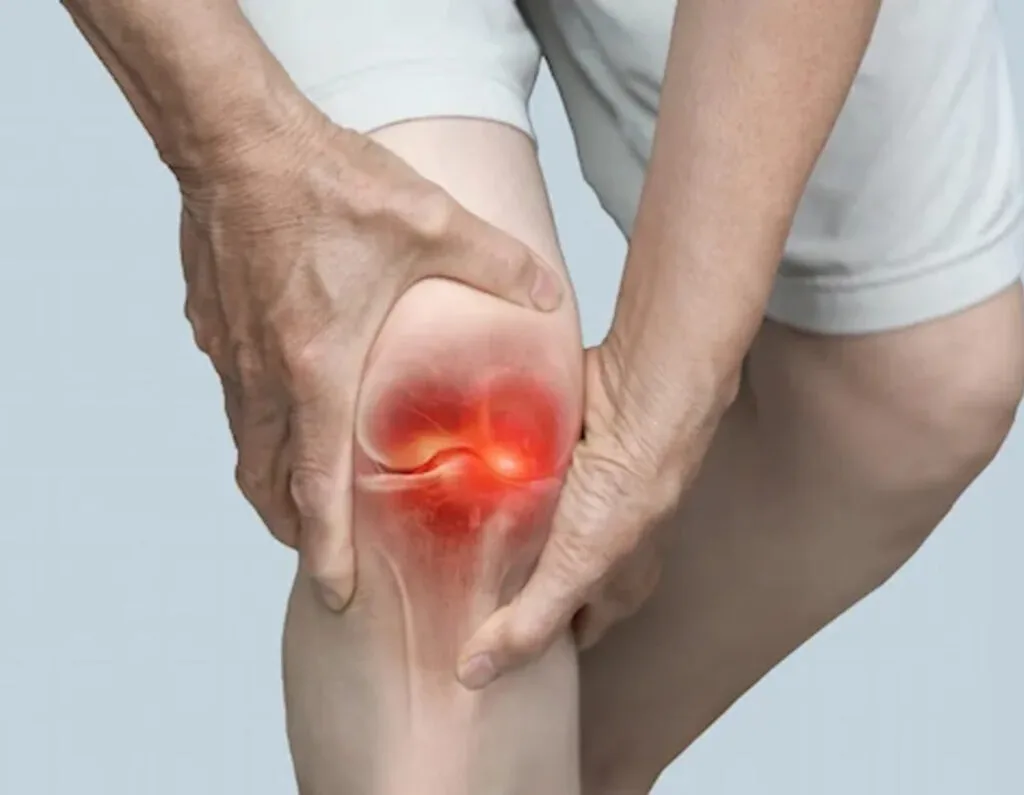
Knee osteoarthritis is a degenerative joint condition caused by gradual wear and tear of the cartilage within the knee joint. As the protective cartilage breaks down, the bones may rub against each other, leading to pain, stiffness, and swelling. The condition commonly affects middle-aged and elderly individuals and can significantly limit mobility.
At our clinic, knee osteoarthritis is managed through a structured and individualized pain care approach. Detailed clinical evaluation and imaging help assess the degree of joint degeneration. Advanced interventional treatments and optimized medical therapy are planned to reduce inflammation, relieve pain, and improve joint function.
Specialist-Led Pain Care You Can Trust
Symptoms of Knee Osteoarthritis
Knee osteoarthritis typically presents with mechanical joint pain and reduced mobility. The severity of symptoms often progresses gradually over time.
Pain in the knee that worsens with walking, climbing stairs, or physical activity.
Reduced flexibility in the knee, especially after periods of rest or inactivity.
Inflammation in the joint leading to visible swelling and discomfort.
Difficulty in fully bending or straightening the knee due to joint degeneration.
Treatment Options for Knee Osteoarthritis
Treatment focuses on reducing inflammation, relieving joint pain, and improving functional mobility. Management is individualized based on severity, lifestyle, and overall joint health.
Medication Optimization
Anti-inflammatory and supportive medications may be prescribed to control pain episodes. Treatment is adjusted according to clinical response.
Intra-Articular Knee Injections
Targeted injections deliver medication directly into the knee joint. This helps reduce inflammation and improve joint comfort.
Viscosupplementation Therapy
Hyaluronic acid injections may help improve joint lubrication in selected patients. This can support smoother movement and pain reduction.
Platelet-Rich Plasma (PRP) Therapy
Biologic injections may be considered to support joint healing and reduce inflammation. This approach is selected based on individual assessment.
Comprehensive Rehabilitation Planning
Structured follow-up and supportive therapy help maintain joint strength and mobility. Treatment adjustments are made according to progress.

When to Consult a Pain Specialist
Dr. Jay M. Panchal
If knee pain persists despite medications, rest, or lifestyle modifications and begins to interfere with walking or daily activities, specialized evaluation is recommended. Increasing stiffness, swelling, or reduced mobility should not be ignored. Early intervention can help delay progression and improve joint function.
Dr. Jay Panchal provides comprehensive management for knee osteoarthritis using targeted interventional procedures and optimized medical therapy. His approach focuses on reducing joint inflammation and improving mobility without unnecessary surgical intervention. The goal is to relieve pain, enhance movement, and support long-term joint health.
Have a Question?
Frequently Asked Questions (FAQs)
Cartilage degeneration cannot be fully reversed, but symptoms can often be effectively managed with medications and interventional treatments.
When performed by an experienced specialist under sterile conditions, knee injections are generally safe and well tolerated.
Many patients manage symptoms successfully with conservative and interventional treatments before considering surgical options.
Relief duration varies depending on the type of injection and severity of arthritis. Follow-up evaluation helps determine future treatment needs.