Post Spine Surgery Pain
What Is Post Spine Surgery Pain?
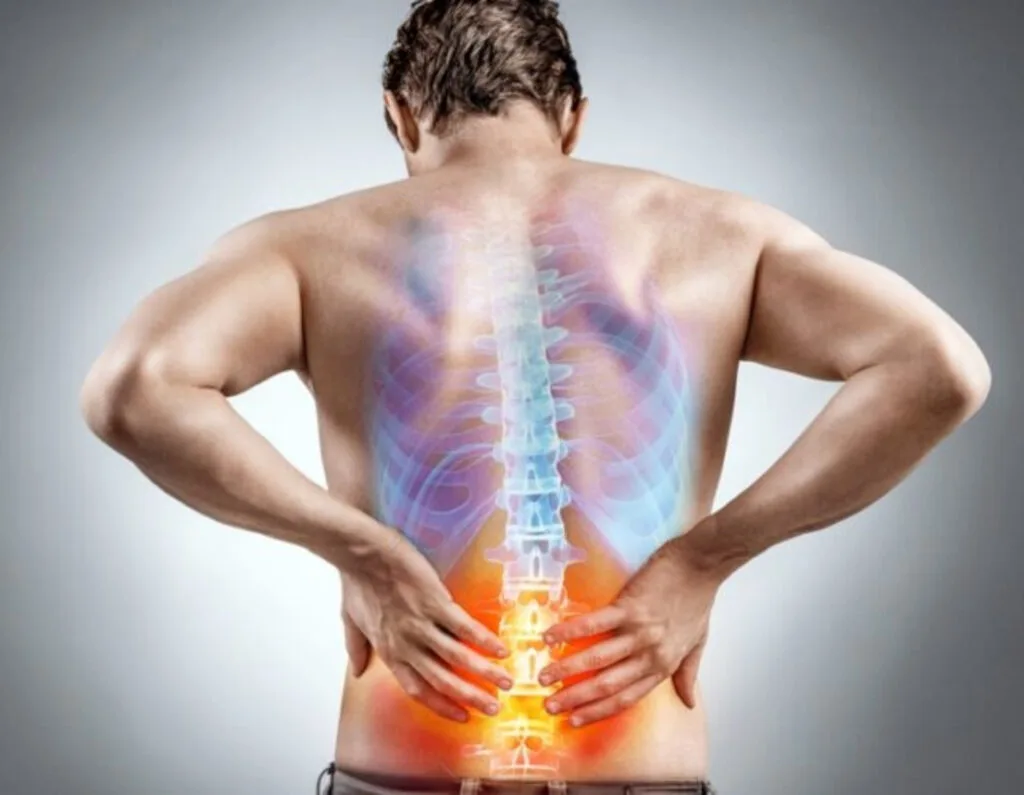
Post spine surgery pain refers to persistent or recurrent back or leg pain that continues even after spinal surgery. While many patients experience relief following surgery, some may develop ongoing discomfort due to nerve irritation, scar tissue formation, or structural changes. This condition can affect mobility, sleep, and overall quality of life.
At our clinic, post spine surgery pain is managed through a structured and individualized pain care approach. Detailed clinical evaluation and imaging review help identify the underlying cause of persistent symptoms. Advanced interventional procedures and optimized medical therapy are planned to reduce pain and improve functional recovery.
Specialist-Led Pain Care You Can Trust
Symptoms of Post Spine Surgery Pain
Post surgical spine pain may resemble pre-surgery symptoms or present as new discomfort. The intensity and pattern of pain depend on nerve involvement and structural changes.
Ongoing pain in the operated area that continues despite surgical intervention and recovery time.
Pain spreading to the arms or legs due to nerve irritation or incomplete relief after surgery.
Abnormal sensations in the limbs caused by residual or recurring nerve compression.
Reduced strength or control affecting movement, balance, and daily physical activities.
Treatment Options for Post Spine Surgery Pain
Treatment focuses on identifying the pain source, reducing nerve irritation, and improving functional outcomes. Management is individualized based on prior surgery details and current clinical findings.
Medication Optimization
Supportive and nerve-stabilizing medications may be adjusted to control persistent pain. Treatment is personalized according to patient response.
Epidural Steroid Injection
Targeted injections may help reduce inflammation around irritated nerve roots. This approach can relieve radiating limb pain.
Adhesiolysis Procedures
Minimally invasive techniques may be used to address scar tissue around nerves. This helps improve medication delivery and reduce nerve compression.
Spinal Cord Stimulation
Neuromodulation therapy may be considered in selected chronic cases. This technique modifies abnormal pain signal transmission.
Comprehensive Rehabilitation Planning
Structured follow-up and supportive therapy aim to restore mobility and reduce recurrence. Treatment plans are adjusted according to progress.

When to Consult a Pain Specialist
Dr. Jay M. Panchal
If pain persists or returns after spine surgery and interferes with daily activities, sleep, or mobility, specialized evaluation is recommended. Symptoms such as radiating limb pain, numbness, or weakness should not be ignored. Early intervention can help prevent chronic pain progression and reduce dependence on long-term medications.
Dr. Jay Panchal provides comprehensive management for post spine surgery pain using targeted interventional procedures and optimized medical therapy. His approach focuses on identifying the precise cause of persistent discomfort and planning individualized treatment strategies. The goal is to improve function, reduce pain intensity, and enhance quality of life after surgery.
Have a Question?
Frequently Asked Questions (FAQs)
Not necessarily. Ongoing pain can occur due to nerve irritation or scar tissue formation, and many cases can be effectively managed with interventional pain treatments.
Repeat surgery is not always necessary. Many patients respond well to minimally invasive pain management procedures.
Spinal cord stimulation is a neuromodulation technique that helps modify abnormal pain signals in chronic spine pain conditions.
Immediate medical attention is advised if there is sudden severe weakness, loss of bladder or bowel control, or rapidly worsening symptoms.